How to Strengthen Your Child’s Immunity Naturally

Simple Ways to Support Your Child’s Immune System

As parents, ensuring our children stay healthy and protected from illnesses is always a priority. While occasional colds and infections are a normal part of childhood, supporting a strong immune system can help children fight infections more effectively and maintain overall well-being.

The good news is that healthy lifestyle habits established early in life can play a significant role in strengthening a child’s natural immunity. From balanced nutrition and adequate sleep to regular physical activity and proper hygiene, there are many ways parents can help support their child’s immune health.

In this guide, we’ll explore practical strategies to naturally strengthen your child’s immunity and promote healthy growth and development.

Understanding the Immune System

The immune system is the body’s defense mechanism against harmful bacteria, viruses, and other disease-causing organisms. In children, the immune system is still developing, which is why they may experience frequent infections during the early years.

Exposure to common germs, proper nutrition, vaccinations, and healthy habits all contribute to building a resilient immune system over time.

Encourage a Balanced and Nutritious Diet

Nutrition is one of the most important factors influencing immune health.

Providing children with a variety of nutrient-rich foods helps support the body’s ability to fight infections and maintain healthy growth.

Foods That Support Immunity

Fruits and Vegetables

Rich in vitamins, minerals, and antioxidants that help protect the body from illness.

Examples include:

  • Oranges
  • Berries
  • Apples
  • Carrots
  • Tomatoes
  • Spinach
  • Broccoli
Protein-Rich Foods

Protein supports growth, tissue repair, and immune function.

Healthy protein sources include:

  • Eggs
  • Fish
  • Chicken
  • Lentils
  • Beans
  • Dairy Products
Whole Grains

Whole grains provide energy and important nutrients that support overall health.

Examples include:

  • Oats
  • Brown Rice
  • Whole Wheat Products
Healthy Fats

Healthy fats contribute to brain development and immune system function.

Sources include:

  • Nuts
  • Seeds
  • Avocados
  • Olive Oil
Ensure Adequate Sleep

Sleep plays a vital role in maintaining a healthy immune system.

During sleep, the body repairs tissues, produces protective proteins, and strengthens immune responses.

Recommended Sleep Duration
Age GroupRecommended Sleep
Infants12–16 hours
Toddlers11–14 hours
Preschoolers10–13 hours
School-Age Children9–12 hours
Teenagers8–10 hours

Creating consistent bedtime routines can help improve sleep quality and support immune health.

Encourage Regular Physical Activity

Physical activity supports healthy growth and improves circulation, allowing immune cells to move efficiently throughout the body.

Encourage activities such as:

  • Outdoor play
  • Cycling
  • Walking
  • Swimming
  • Dancing
  • Sports and games

Children should ideally engage in at least one hour of age-appropriate physical activity each day.

Promote Good Hygiene Habits

Teaching children proper hygiene practices can significantly reduce the spread of infections.

Healthy Hygiene Habits Include:
  • Washing hands before meals
  • Washing hands after using the restroom
  • Covering the mouth while coughing or sneezing
  • Avoiding touching the face frequently
  • Maintaining oral hygiene

Making handwashing fun and routine can help children adopt lifelong healthy habits.

Keep Vaccinations Up to Date

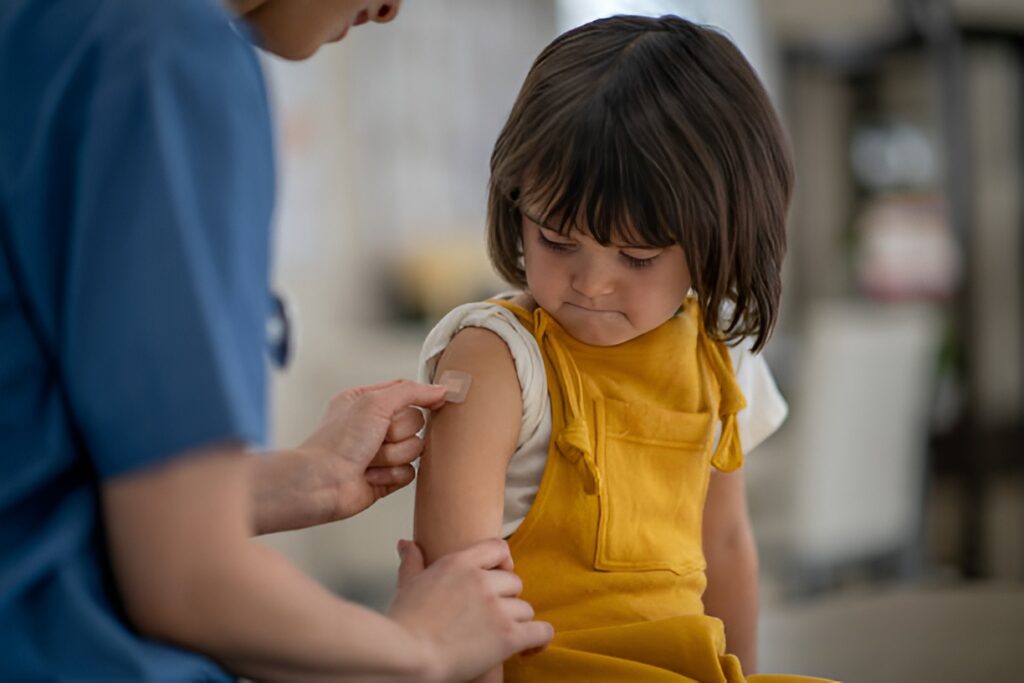
Vaccinations are one of the most effective ways to protect children from serious illnesses.

Routine immunizations help the immune system recognize harmful infections and respond quickly when exposed.

Following the recommended vaccination schedule helps provide protection against several preventable diseases.

Consult your pediatrician to ensure your child stays current with immunizations.

Encourage Hydration

Water is essential for maintaining overall health and supporting normal body functions.

Proper hydration helps:

  • Transport nutrients
  • Remove toxins
  • Maintain body temperature
  • Support immune responses

Encourage children to drink water regularly throughout the day, especially during hot weather or physical activity.

Support Healthy Gut Health

A large portion of the immune system is linked to the digestive tract.

Maintaining a healthy gut may contribute to stronger immunity.

Foods that support gut health include:

  • Yogurt
  • Curd
  • Fermented foods
  • Fiber-rich fruits and vegetables
  • Whole grains

Balanced nutrition helps maintain healthy digestion and supports immune function.

Reduce Stress and Promote Emotional Well-Being

Stress can affect both physical and emotional health.

Children may experience stress related to school, social situations, or changes in routine.

Parents can support emotional well-being by:

  • Spending quality time together
  • Encouraging open communication
  • Promoting creative activities
  • Limiting excessive screen time
  • Maintaining healthy daily routines

Emotional wellness contributes to overall health and resilience.

Limit Processed Foods and Sugary Snacks

Frequent consumption of processed foods and sugary beverages may affect overall health and nutritional balance.

Instead, choose healthier snack options such as:

  • Fresh fruits
  • Nuts
  • Homemade snacks
  • Yogurt
  • Whole-grain foods

Balanced eating habits help provide essential nutrients needed for healthy growth and immune support.

Encourage Outdoor Play

Spending time outdoors offers several benefits, including:

  • Increased physical activity
  • Exposure to fresh air
  • Opportunities for social interaction
  • Natural sunlight exposure, which supports Vitamin D production

Vitamin D plays an important role in bone health and immune system function.

Avoid Unnecessary Antibiotic Use

Antibiotics are effective for treating bacterial infections but do not work against viral illnesses such as the common cold.

Using antibiotics only when prescribed by a healthcare professional helps prevent antibiotic resistance and supports healthy immune development.

Always consult your pediatrician before giving medications to your child.

Final Thoughts

Building a strong immune system is a gradual process that depends on healthy habits practiced consistently over time. Balanced nutrition, sufficient sleep, regular exercise, vaccinations, hydration, and emotional well-being all play a role in supporting your child’s natural defenses.

By encouraging healthy routines early in life, parents can help children develop resilience, stay active, and enjoy better overall health.

At Adwaitha Clinics, we believe preventive healthcare is the foundation of lifelong wellness. Our pediatric services focus on growth monitoring, nutrition guidance, vaccinations, and comprehensive child healthcare to support your child’s healthy development.

Adwaitha Clinics provides expert Pediatric, Internal Medicine, and Endocrinology services in Kondapur, Hyderabad. Our patient-centred approach combines clinical expertise with compassionate care to support the health and well-being of children, adults, and families.

Contact Info

Follow Us