Common Causes of Fever in Children and When to See a Doctor

Understanding Fever in Children: What Every Parent Should Know

Few things worry parents more than seeing their child develop a fever. While a fever can be uncomfortable and concerning, it is often a sign that the body’s immune system is working to fight an infection.

In most cases, fever is not a disease itself but a symptom of an underlying condition. Understanding the common causes of fever and knowing when medical attention is necessary can help parents respond confidently and appropriately.

What Is Considered a Fever?

A child’s normal body temperature can vary slightly throughout the day. Generally, a fever is defined as:

  • 100.4°F (38°C) or higher in infants and children
  • Measured using a reliable thermometer

A fever is usually the body’s natural response to infections and is often a sign that the immune system is actively fighting germs.

Why Do Children Get Fevers?

Children are more likely to develop fevers because their immune systems are still developing and they are frequently exposed to new viruses and bacteria through school, daycare, and social interactions.

Most fevers are caused by common infections and typically resolve within a few days with appropriate care.

Common Causes of Fever in Children

Viral Infections

Viral infections are the most common cause of fever in children.

Examples include:

  • Common Cold
  • Influenza (Flu)
  • Viral Fever
  • COVID-19
  • Hand, Foot, and Mouth Disease
  • Viral Gastroenteritis

Children with viral infections may also experience symptoms such as cough, runny nose, sore throat, fatigue, or mild digestive issues.

Most viral fevers improve with rest, hydration, and supportive care.

Ear Infections

Middle ear infections are common in young children and can cause:

  • Fever
  • Ear Pain
  • Irritability
  • Difficulty Sleeping
  • Reduced Appetite

Children may pull or rub their ears when experiencing discomfort.

Throat Infections

Infections affecting the throat can trigger fever and discomfort.

Common symptoms include:

  • Sore Throat
  • Pain While Swallowing
  • Swollen Tonsils
  • Reduced Appetite

Both viral and bacterial infections can cause throat-related fevers.

Respiratory Infections

Respiratory infections affecting the lungs and airways can result in fever and breathing-related symptoms.

Examples include:

  • Bronchitis
  • Pneumonia
  • Respiratory Syncytial Virus (RSV)
  • Other Respiratory Viral Infections

Seek medical attention if your child experiences breathing difficulties along with a fever.

Gastrointestinal Infections

Stomach and intestinal infections can cause fever accompanied by:

  • Vomiting
  • Diarrhea
  • Stomach Pain
  • Loss of Appetite

Hydration becomes especially important when fever occurs with vomiting or diarrhoea.

Urinary Tract Infections (UTIs)

UTIs can sometimes cause unexplained fever, particularly in infants and young children.

Additional symptoms may include:

  • Pain During Urination
  • Frequent Urination
  • Foul-Smelling Urine
  • Abdominal Discomfort

Medical evaluation is important if a urinary infection is suspected.

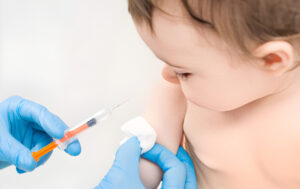
Childhood Vaccinations

Some children may develop a mild fever after receiving vaccinations.

This is usually a normal response indicating that the immune system is building protection.

Post-vaccination fever is generally:

  • Mild
  • Temporary
  • Self-limiting

Parents should follow their paediatrician’s recommendations for post-vaccination care.

Teething: Can It Cause Fever?

Many parents believe teething causes fever. While teething may lead to mild discomfort, drooling, and irritability, it generally does not cause a significant fever.

If your child has a temperature above 100.4°F (38°C), another underlying cause should be considered.

How to Care for a Child with Fever at Home

Most mild fevers can be managed at home with supportive care.

Encourage Fluids

Ensure your child drinks plenty of fluids to prevent dehydration.

Good options include:

  • Water
  • Breast Milk
  • Formula
  • Oral Rehydration Solutions
Ensure Adequate Rest

Rest allows the body to focus energy on fighting infection and promoting recovery.

Dress Comfortably

Use lightweight clothing and avoid excessive blankets, which may make your child feel more uncomfortable.

Monitor Symptoms

Pay attention to:

  • Fever duration
  • Activity level
  • Fluid intake
  • Breathing patterns
  • Additional symptoms

Monitoring helps determine whether medical attention is needed.

When Should Parents See a Doctor?

While many fevers resolve on their own, certain situations require prompt medical evaluation.

Seek Medical Care If:

Your Baby Is Under 3 Months Old

Any fever in a baby younger than 3 months should be evaluated by a healthcare professional.

Fever Persists for More Than 3 Days

A prolonged fever may indicate an infection that requires further assessment.

Difficulty Breathing

Seek immediate medical attention if your child has:

  • Rapid breathing
  • Labored breathing
  • Wheezing
  • Bluish lips or skin
Signs of Dehydration

Warning signs include:

  • Dry Mouth
  • No Tears While Crying
  • Reduced Urination
  • Excessive Sleepiness
Persistent Vomiting or Diarrhea

Ongoing fluid loss can quickly lead to dehydration.

Unusual Drowsiness or Irritability

If your child becomes difficult to wake, unusually lethargic, or inconsolably irritable, seek medical care immediately.

Seizures Associated with Fever

Some children may experience febrile seizures during rapid temperature increases. Although often harmless, medical evaluation is recommended.

Severe Pain

Seek medical attention if fever is accompanied by:

  • Severe Ear Pain
  • Severe Headache
  • Abdominal Pain
  • Neck Stiffness

Common Fever Myths Parents Should Know

Myth: Every Fever Is Dangerous

Most childhood fevers are caused by common infections and are not harmful.

Myth: Higher Fever Means More Serious Illness

The severity of illness does not always correlate with temperature. A child’s overall behavior and symptoms are often more important indicators.

Myth: Fever Must Always Be Treated Immediately

The primary goal is keeping the child comfortable. Not every fever requires medication.

How Pediatricians Evaluate Fever

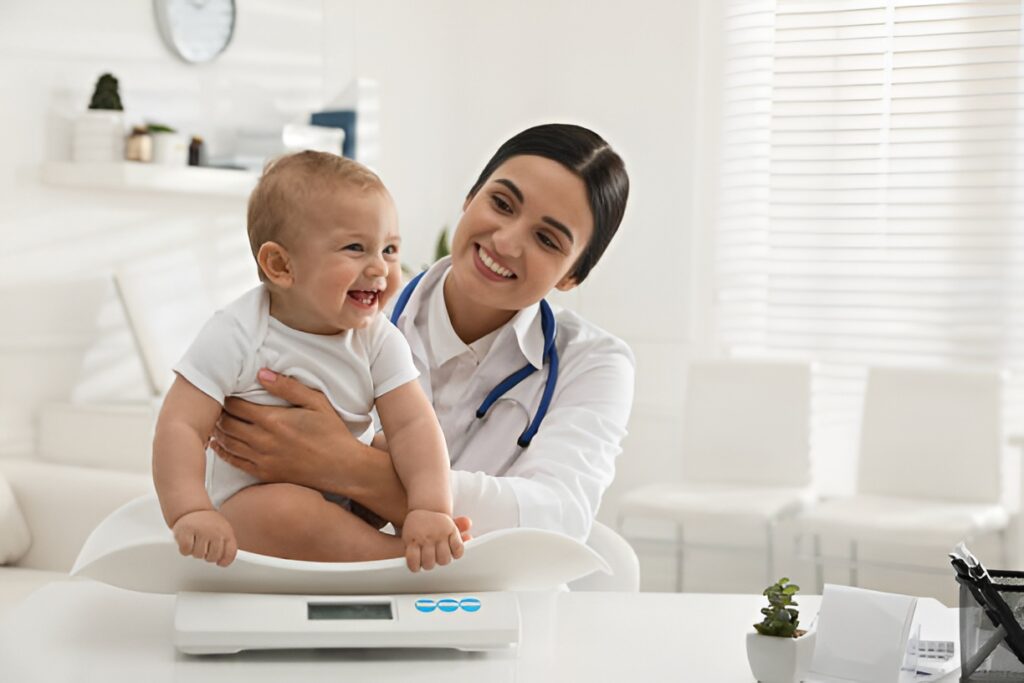
During a consultation, your pediatrician may assess:

  • Duration of fever
  • Associated symptoms
  • Medical history
  • Physical examination findings
  • Growth and development status

Additional tests may be recommended when necessary to identify the underlying cause.

Preventing Common Childhood Infections

While not all fevers can be prevented, the following measures can reduce infection risk:

  • Ensure routine vaccinations
  • Encourage frequent handwashing
  • Promote healthy nutrition
  • Maintain adequate sleep
  • Avoid close contact with sick individuals
  • Encourage good hygiene habits

These preventive strategies help support a healthy immune system.

Final Thoughts

Fever is one of the most common reasons children visit a pediatrician. In most cases, it is a natural response to infection and resolves with appropriate care and monitoring.

However, understanding when a fever requires medical attention is essential for protecting your child’s health. If you are unsure about your child’s symptoms, seeking professional medical advice can provide reassurance and ensure timely treatment.

At Adwaitha Clinics, we provide comprehensive pediatric care, including the evaluation and management of fever, infections, vaccinations, and childhood health concerns.

Adwaitha Clinics provides expert Pediatric, Internal Medicine, and Endocrinology services in Kondapur, Hyderabad. Our patient-centred approach combines clinical expertise with compassionate care to support the health and well-being of children, adults, and families.

Contact Info

Follow Us