

What Is PCOS? Causes, Symptoms and Treatment Options
What Is PCOS?
Polycystic Ovary Syndrome (PCOS) is a hormonal condition associated with irregular ovulation, increased androgen activity, and metabolic changes.
Women with PCOS may experience one or more of the following:
Irregular or infrequent menstrual periods
Higher-than-usual levels of androgens (male-type hormones)
Acne or oily skin
Excess facial or body hair
Hair thinning or hair loss
Difficulty with ovulation or fertility
Insulin resistance
Weight gain or difficulty losing weight
The symptoms and severity can vary considerably.
Some women may have predominantly menstrual symptoms, while others may have more noticeable skin, hair, weight, or metabolic concerns.
Polycystic Ovary Syndrome (PCOS) is a common hormonal and metabolic condition that can affect women during their reproductive years. It may influence menstrual cycles, ovulation, skin, hair, weight, fertility, and blood sugar regulation.
Despite its name, having PCOS does not necessarily mean that a woman has ovarian cysts. PCOS is a complex condition involving hormonal and metabolic changes, and symptoms can vary significantly from one person to another.
In this guide, we explain what PCOS is, its possible causes and symptoms, how it is diagnosed, and the treatment options available.
The name can be misleading.
Some women with PCOS have multiple small follicles visible on an ultrasound scan. These are not necessarily true cysts.
You can have PCOS without having polycystic-appearing ovaries, and seeing multiple ovarian follicles on an ultrasound does not automatically mean you have PCOS.
A diagnosis is based on the overall clinical picture, rather than an ultrasound finding alone.
Why Is PCOS Called Polycystic Ovary Syndrome?
The exact cause of PCOS is not fully understood.
Researchers believe that several factors may contribute to its development.
1. Insulin Resistance
Many women with PCOS have some degree of insulin resistance.
Insulin is a hormone that helps the body use glucose for energy. When cells become less responsive to insulin, the body may produce more insulin to compensate.
Higher insulin levels can contribute to increased androgen production in some women and may interfere with normal ovulation.
Insulin resistance can occur in women with PCOS regardless of body weight.
2. Hormonal Imbalance
PCOS is associated with changes in reproductive hormones.
Some women have increased androgen levels, which can contribute to:
Excess facial or body hair
Acne
Oily skin
Scalp hair thinning
Irregular ovulation
3. Genetics
PCOS can run in families.
Having a close relative with PCOS or type 2 diabetes may increase the likelihood of developing the condition.
However, genetics are only one part of the picture.
4. Metabolic Factors
PCOS is associated with a higher risk of metabolic problems, including:
Insulin resistance
Prediabetes
Type 2 diabetes
Abnormal cholesterol levels
High blood pressure
This is why PCOS management should consider overall metabolic health, not just menstrual symptoms.
What Causes PCOS?
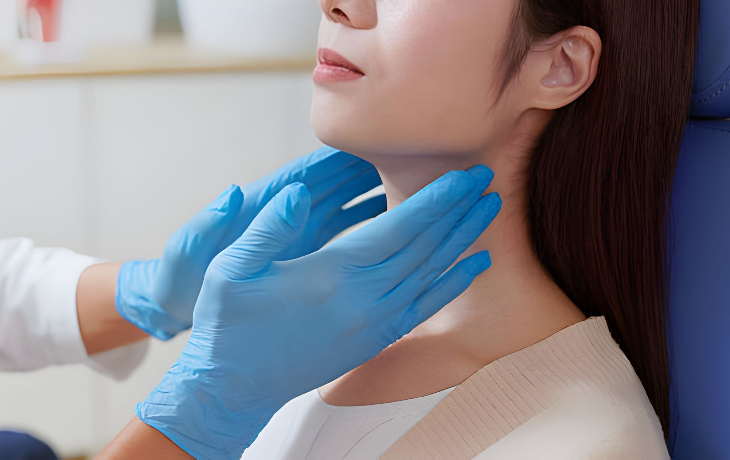

Common Symptoms of PCOS
PCOS symptoms can begin during adolescence or develop later.
Common symptoms include:
Irregular Periods
One of the most common signs of PCOS is irregular menstruation.
Periods may:
Occur infrequently
Be unpredictable
Be unusually heavy
Be absent for several months
Irregular periods may indicate that ovulation is not occurring regularly.
Excess Facial or Body Hair
Higher androgen activity can cause increased hair growth on areas such as:
Face
Chin
Upper lip
Chest
Abdomen
This is known as hirsutism.
Acne and Oily Skin
Hormonal changes associated with PCOS can increase oil production and contribute to persistent or severe acne, particularly around the face, jawline, and neck.
Hair Thinning
Some women with PCOS experience thinning of the scalp hair, particularly around the crown or front of the scalp.
Weight Gain or Difficulty Losing Weight
Some women with PCOS experience weight gain or find it difficult to lose weight.
However, PCOS can affect women of all body sizes.
Having a healthy body weight does not rule out PCOS.
Fertility Difficulties
Because PCOS can interfere with regular ovulation, some women may have difficulty becoming pregnant.
PCOS is one of the common causes of ovulatory infertility, but fertility problems do not mean pregnancy is impossible.
With appropriate evaluation and treatment, many women with PCOS can conceive.
Can PCOS Cause Weight Gain?
PCOS can be associated with weight gain and difficulty losing weight, partly because insulin resistance and hormonal changes may affect metabolism and appetite.
However, not every woman with PCOS gains weight.
It is important to avoid the assumption that weight is the only indicator of PCOS.
Women with a normal or lower body weight can also have PCOS and may experience irregular periods, excess androgen symptoms, or metabolic abnormalities.
PCOS and Insulin Resistance
Insulin resistance is an important aspect of PCOS for many women.
When the body becomes less sensitive to insulin, the pancreas may produce more insulin.
Higher insulin levels can contribute to hormonal changes that interfere with ovulation.
Over time, insulin resistance can also increase the risk of:
Prediabetes
Type 2 diabetes
Abnormal cholesterol
Metabolic syndrome
This is why blood sugar and metabolic health may need to be monitored in women with PCOS.
How Is PCOS Diagnosed?
No single test confirms PCOS. Doctors typically consider:
Menstrual history
Symptoms
Physical examination
Blood tests
Other possible causes of the symptoms
Sometimes pelvic ultrasound
In adults, diagnostic approaches commonly consider a combination of features such as irregular or absent ovulation, clinical or biochemical evidence of increased androgen activity, and polycystic ovarian morphology on ultrasound, while excluding other conditions that can cause similar symptoms.
The diagnostic approach can differ in adolescents, so younger patients require particular care when assessing possible PCOS.
What Blood Tests May Be Done for PCOS?
Depending on your symptoms, your doctor may recommend blood tests to assess:
Androgen levels
Thyroid function
Prolactin
Blood glucose
HbA1c
Cholesterol and triglycerides
Other hormones when clinically appropriate
The purpose of testing is not only to look for PCOS but also to rule out other conditions that can cause similar symptoms.
PCOS Treatment Options
There is no single treatment that works for every woman with PCOS. Treatment depends on:
Your symptoms
Age
Overall health
Metabolic risk
Whether you are trying to become pregnant
Menstrual concerns
Skin or hair symptoms
Personal treatment goals
1. Lifestyle Changes
Healthy lifestyle habits are an important part of PCOS management.
These may include:
Regular physical activity
Balanced nutrition
Adequate sleep
Stress management
Maintaining a healthy weight where appropriate
Avoiding smoking
Limiting highly processed foods and excess added sugar
You do not need to follow an extremely restrictive diet.
A sustainable eating pattern that includes vegetables, whole grains, pulses, protein-rich foods, healthy fats, and appropriate portions can support overall metabolic health.
2. Weight Management When Appropriate
For women who are overweight or have obesity, even modest weight reduction may improve insulin sensitivity and menstrual regularity.
However, weight loss is not the only goal of PCOS treatment.
Women who are not overweight can also benefit from regular physical activity and a balanced diet.
The focus should be on improving health rather than pursuing unrealistic weight-loss targets.
3. Treatment for Irregular Periods
Doctors may recommend hormonal treatment to help regulate menstrual cycles and protect the uterine lining.
The appropriate treatment depends on your individual circumstances and whether pregnancy is desired.
4. Treatment for Acne and Excess Hair
Depending on the severity of symptoms, treatment may include:
Topical acne treatments
Hormonal medications
Other anti-androgen treatments in selected patients
Hair removal methods
Some medications are not appropriate during pregnancy, so treatment should be individualized.
5. Metformin
Metformin is a medication that improves insulin sensitivity and is commonly used in the management of type 2 diabetes.
It may also be considered for some women with PCOS, particularly when insulin resistance or metabolic abnormalities are present.
It is not appropriate for everyone with PCOS, and it should be used under medical supervision.
6. Fertility Treatment
If pregnancy is desired and PCOS is causing irregular or absent ovulation, fertility treatment may help stimulate ovulation.
Depending on the individual situation, treatment may include medications that promote ovulation or referral to a fertility specialist.
A diagnosis of PCOS does not mean that natural pregnancy is impossible.
Can PCOS Be Cured?
PCOS is generally considered a long-term condition rather than a condition with a single permanent cure. However, its symptoms and associated health risks can often be managed effectively.
Treatment can help with:
Menstrual regularity
Ovulation
Acne
Excess hair growth
Weight and metabolic health
Blood sugar control
Fertility
Symptoms may also change over time.
The goal is to develop a sustainable management plan rather than look for a quick cure.
Can PCOS Affect Fertility?
Yes.
PCOS can interfere with regular ovulation, making it more difficult for some women to conceive.
However, PCOS-related fertility problems are often treatable.
If you have irregular periods and are planning pregnancy, consider discussing your menstrual and reproductive health with a doctor early rather than waiting.
PCOS and Pregnancy
Many women with PCOS have healthy pregnancies.
However, PCOS can be associated with a higher risk of certain pregnancy complications, including gestational diabetes and high blood pressure during pregnancy.
If you have PCOS and are planning pregnancy, a preconception consultation can help identify and manage relevant health risks.
PCOS and Mental Health
PCOS is not only a reproductive or metabolic condition.
Some women with PCOS experience:
Anxiety
Depression
Stress
Reduced self-confidence
Concerns about body image
Emotional distress related to acne, hair growth, weight, or fertility
Mental health deserves attention as part of comprehensive PCOS care.
If you are experiencing persistent low mood, anxiety, or emotional distress, discuss it with a healthcare professional.
Long-Term Health Risks Associated With PCOS
PCOS is associated with an increased risk of certain health conditions.
Depending on individual factors, these may include:
Prediabetes
Type 2 diabetes
High blood pressure
Abnormal cholesterol levels
Cardiovascular risk factors
Sleep apnea
Endometrial problems associated with prolonged irregular periods
This does not mean that every woman with PCOS will develop these conditions.
Regular health monitoring can help identify risk factors early.
PCOS: What Should You Eat?
There is no single “PCOS diet” that works for everyone.
Instead, focus on an overall balanced eating pattern.
Include:
Vegetables
Whole fruits
Whole grains
Pulses and legumes
Protein-rich foods
Nuts and seeds in appropriate portions
Healthy sources of fat
Try to limit frequent consumption of:
Sugary drinks
Sweets
Highly processed snacks
Refined carbohydrates
Excessively large portions
For women with insulin resistance, paying attention to meal composition and carbohydrate portions may be particularly helpful.
A dietitian or healthcare professional can help create a personalized plan.
Can Exercise Help With PCOS?
Regular physical activity can support:
Insulin sensitivity
Cardiovascular health
Weight management
Mood
Sleep
Overall metabolic health
Activities may include:
Brisk walking
Cycling
Swimming
Strength training
Yoga
Other enjoyable forms of movement
You do not need to exercise intensely every day. Consistency is more important than choosing a particular type of workout.
When Should You See a Doctor for PCOS?
Consider consulting a healthcare professional if you have:
Irregular or absent periods
Excess facial or body hair
Persistent acne
Unexplained hair thinning
Difficulty becoming pregnant
Unexplained weight changes
Signs of insulin resistance
A family history of PCOS or type 2 diabetes
You should also seek medical evaluation if your periods suddenly become very irregular or stop, as there can be causes other than PCOS.
Frequently Asked Questions
1. Is PCOS the same as ovarian cysts?
No. PCOS is a hormonal and metabolic condition. Some women with PCOS have polycystic-appearing ovaries, but ovarian cysts are not required for a PCOS diagnosis.
2. Can PCOS go away?
PCOS is generally a long-term condition, but symptoms can often be managed effectively. Menstrual cycles, metabolic health, acne, excess hair growth, and fertility can improve with appropriate treatment.
3. Can women with PCOS get pregnant?
Yes. Many women with PCOS become pregnant. If irregular ovulation is affecting fertility, medical treatment can help support ovulation and conception.
4. Does everyone with PCOS have weight gain?
No. PCOS can occur in women of all body sizes. Some women with PCOS are not overweight.
5. Can PCOS cause diabetes?
PCOS does not directly mean that you have diabetes, but it is associated with an increased risk of insulin resistance, prediabetes, and type 2 diabetes.
6. What test confirms PCOS?
There is no single test that confirms PCOS. Doctors use symptoms, medical history, examination, blood tests, and sometimes ultrasound while excluding other possible causes.
7. Is PCOS curable?
There is no single permanent cure for PCOS, but the condition can often be managed successfully with lifestyle changes, medication, and appropriate follow-up.
8. Should I see an endocrinologist for PCOS?
PCOS can often be managed by a gynecologist, internal medicine physician, or endocrinologist depending on the symptoms and individual needs. An endocrinologist can be particularly helpful when PCOS is associated with insulin resistance, diabetes, thyroid or other hormonal problems.
Final Thoughts
PCOS is a common but complex hormonal and metabolic condition that can affect menstrual health, fertility, skin, hair, weight, and long-term metabolic health.
Having irregular periods, acne, excess hair growth, or difficulty with weight does not automatically mean you have PCOS. Proper evaluation is important because several other conditions can cause similar symptoms.
If you have PCOS, the goal is not simply to treat one symptom. A comprehensive approach can address menstrual health, metabolic risk, fertility goals, skin and hair concerns, and overall well-being.
Early evaluation and individualised care can make PCOS easier to manage and help reduce associated long-term health risks.
PCOS and Endocrine Care in Kondapur, Hyderabad
At Adwaitha Clinics, Kondapur, Hyderabad, our Endocrinology and Internal Medicine services support the evaluation and management of PCOS, insulin resistance, diabetes risk, thyroid disorders, and other hormonal and metabolic conditions.
If you are experiencing irregular periods, unexplained weight changes, acne, excess facial hair, hair thinning, or fertility concerns, professional evaluation can help identify the underlying cause and guide appropriate treatment.
Book an appointment at Adwaitha Clinics in Kondapur, Hyderabad, for personalized PCOS and hormonal health care.

Schedule A Paediatric Consultation
Adwaitha Clinics provides expert Pediatric, Internal Medicine, and Endocrinology services in Kondapur, Hyderabad. Our patient-centred approach combines clinical expertise with compassionate care to support the health and well-being of children, adults, and families.