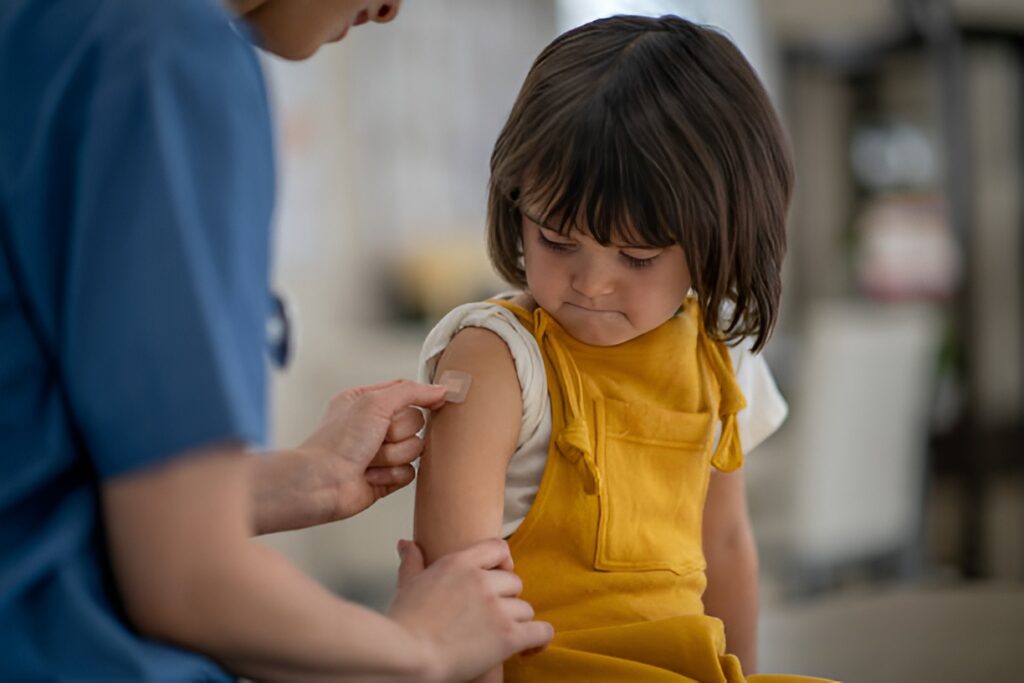
As a parent, one of the most important decisions you make for your child’s health is ensuring they receive recommended vaccinations on time. Vaccines have played a vital role in protecting children from serious infectious diseases and have helped reduce the spread of many preventable illnesses worldwide.
Despite their proven effectiveness, many parents have questions about vaccine schedules, safety, and the necessity of immunisations. This guide will help you understand the importance of childhood vaccinations and their contribution to your child’s long-term health and well-being.
Vaccinations are medical interventions that help the body’s immune system recognize and fight specific diseases. Vaccines contain weakened, inactive, or harmless components of disease-causing organisms that stimulate the immune system to develop protection without causing the actual illness.
When vaccinated, a child’s body learns how to recognize and defend against infections, making it easier to fight the disease if exposed in the future.
Vaccines protect children from potentially serious and life-threatening illnesses that can lead to complications, hospitalization, or long-term health problems.
Vaccination is not only important for individual children but also plays a significant role in protecting public health.
Vaccines train the immune system to recognize harmful viruses or bacteria. Once vaccinated, the body creates antibodies that remain ready to respond if the actual infection occurs.
As a result, the immune system can quickly identify and fight the disease before it causes serious illness.
Children receive different vaccines at specific stages of development to ensure optimal protection.
Some commonly recommended childhood vaccines include:
Protects against severe forms of tuberculosis.
Protects against hepatitis B infection, which affects the liver.
Protects against poliomyelitis, a disease that can cause paralysis.
Protects against diphtheria, pertussis (whooping cough), and tetanus.
Protects against Haemophilus influenzae type b infections that can lead to serious complications such as meningitis.
Protects against measles, mumps, and rubella.
Helps prevent severe diarrhoea caused by rotavirus infection.
Protects against serious bacterial infections affecting the lungs, blood, and brain.
Protects against chickenpox.
Your paediatrician will guide you through the recommended immunization schedule based on your child’s age and health needs.
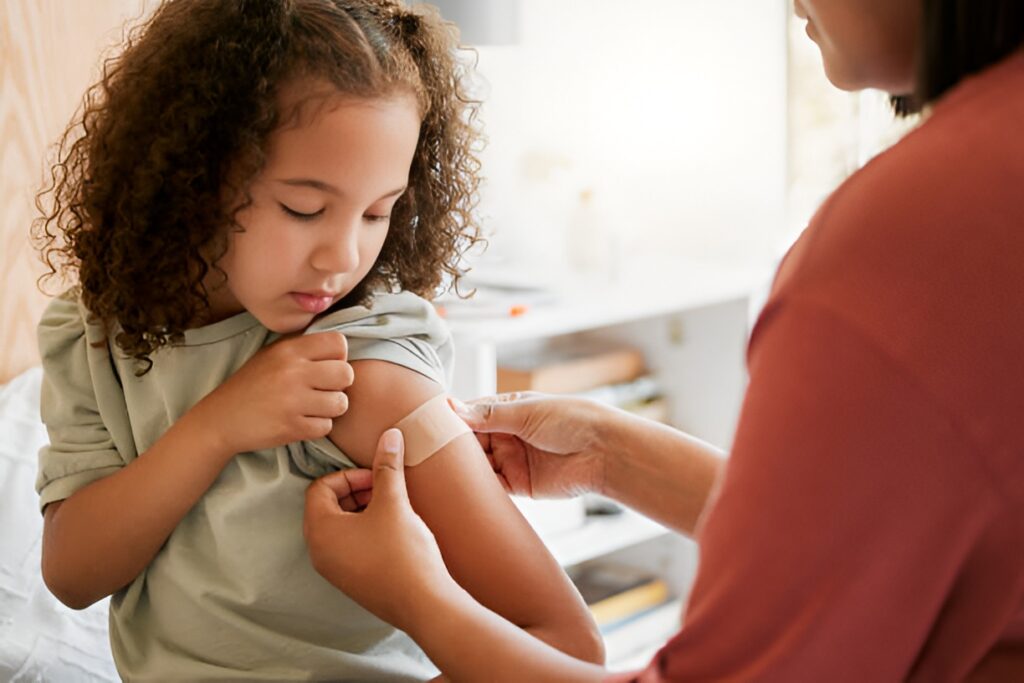
Vaccinations are administered according to a carefully designed schedule that provides protection when children are most vulnerable to certain infections.
Following the recommended vaccination schedule ensures:
Missing or delaying vaccines may leave children vulnerable to preventable illnesses.
Yes. Vaccines undergo extensive research, testing, and continuous monitoring before being approved for use. Health authorities around the world maintain strict safety standards to ensure vaccines remain safe and effective.
Most vaccine side effects are mild and temporary, such as:
Serious adverse reactions are extremely rare.
Parents should always discuss any concerns with their paediatrician before vaccination.
Vaccines do not cause the diseases they are designed to protect against. They contain weakened or inactive components that safely stimulate immunity.
While natural infection may provide immunity, it often comes with serious risks and complications. Vaccination offers protection without exposing children to these dangers.
Children encounter thousands of germs every day. Vaccines represent only a tiny fraction of what the immune system naturally handles.
Even healthy children can become seriously ill from vaccine-preventable diseases. Vaccination helps reduce this risk significantly.
If your child misses a scheduled vaccine, don’t panic. In most cases, a catch-up vaccination schedule can be created to ensure your child receives the necessary protection.
Consult your paediatrician as soon as possible to discuss the best plan moving forward.
To help make the vaccination experience easier:
Remember, a little preparation can help both parents and children feel more comfortable.
Vaccination helps create what is known as “community immunity” or “herd immunity.” When a large percentage of the population is vaccinated, the spread of disease becomes more difficult.
This helps protect:
By vaccinating your child, you are contributing to a healthier and safer community for everyone.
You should consult a paediatrician if:
A paediatrician can provide personalized recommendations based on your child’s health and developmental needs.
Childhood vaccinations are one of the safest and most effective ways to protect children from serious illnesses. By following recommended immunization schedules, parents can help ensure their children grow up healthy, protected, and prepared for a brighter future.
At Adwaitha Clinics, we are committed to supporting parents with trusted pediatric care, vaccination guidance, and preventive healthcare services. If you have questions about your child’s immunizations or would like to schedule a pediatric consultation, our team is here to help.
Adwaitha Clinics provides expert Pediatric, Internal Medicine, and Endocrinology services in Kondapur, Hyderabad. Our patient-centred approach combines clinical expertise with compassionate care to support the health and well-being of children, adults, and families.